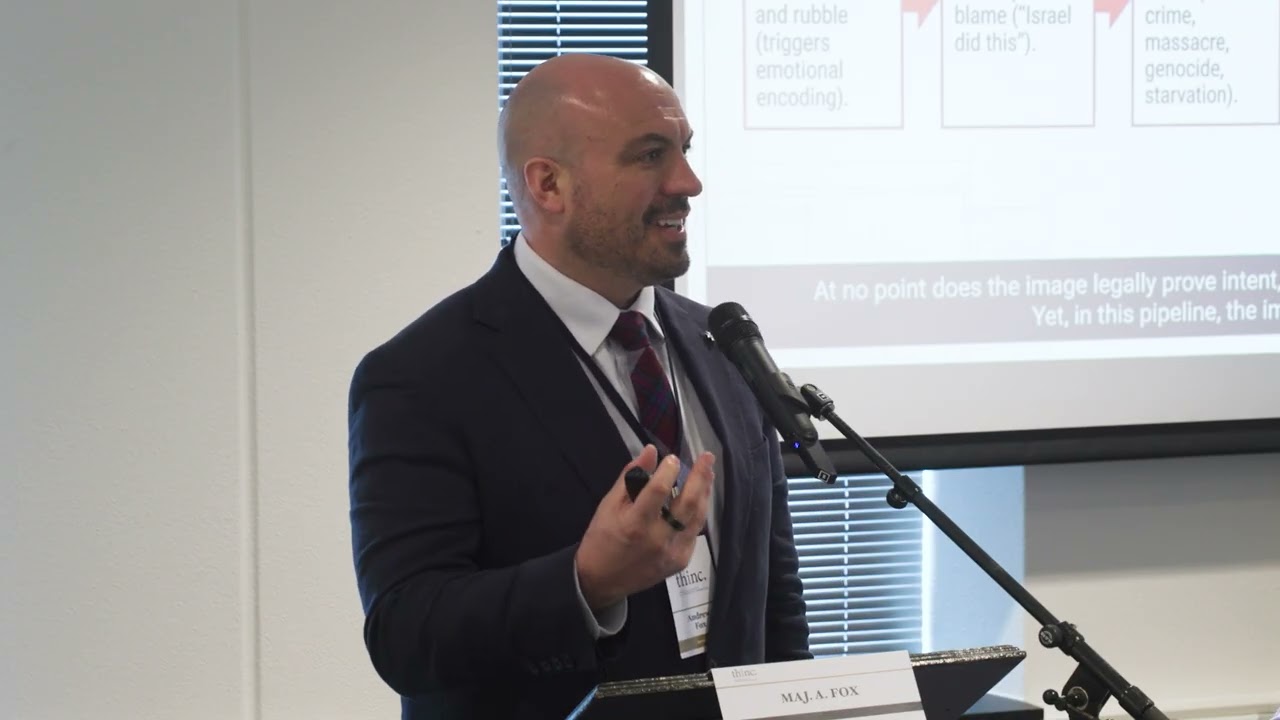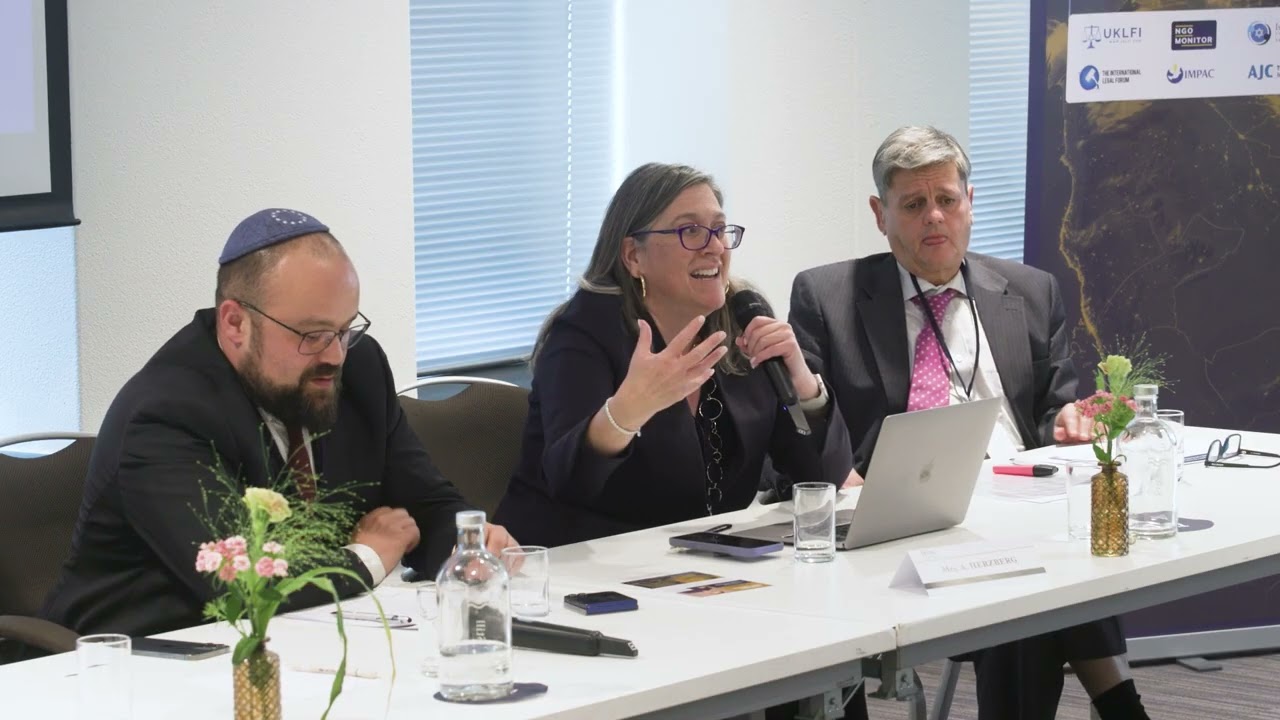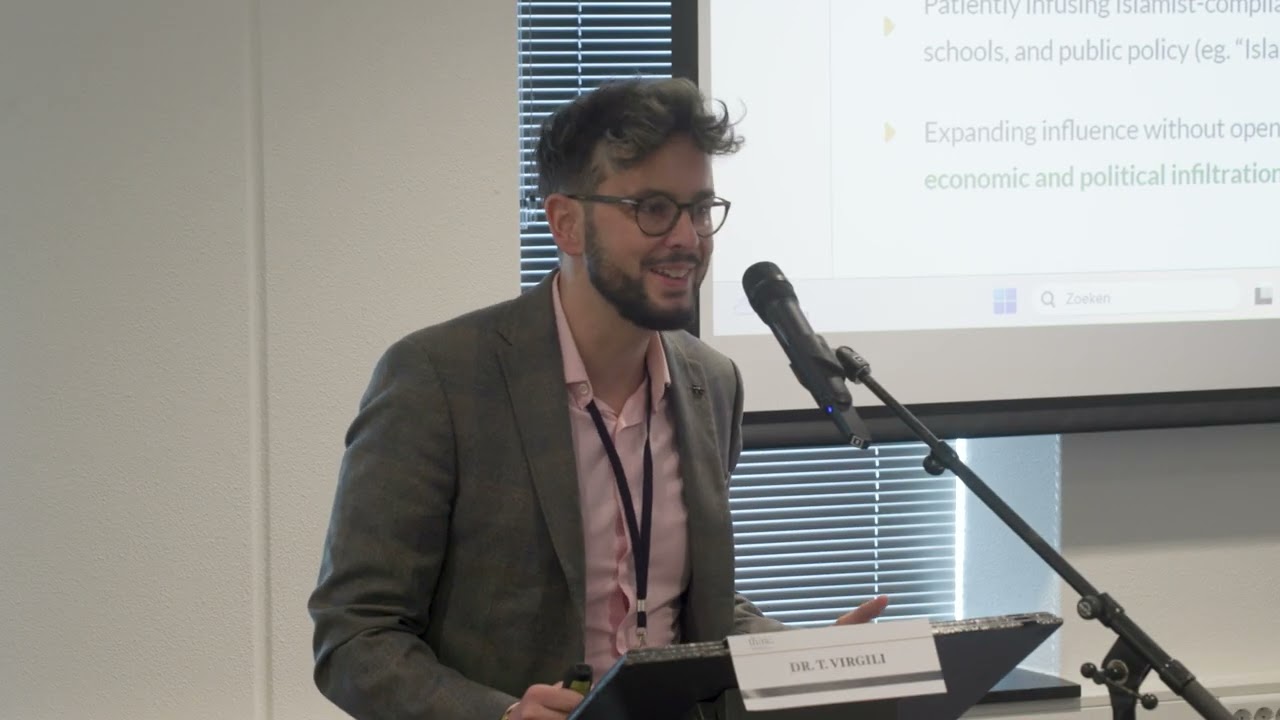
The Symposium on The Islamic Revolutionary regime and Challenges to International Law in the Grey Zone was convened by The Hague Initiative for International Cooperation (thinc.) at The Hague on 6 May 2026. Twelve expert speakers examined the interface between the international legal system and the multi-layered threat environment in which it operates, particularly in grey zones of international law being exploited by the Islamic revolutionary regime in Iran and other Islamist actors.
The threat posed by Islamism includes: nuclear proliferation; ballistic missile and armed drone capabilities; restriction of freedom of navigation; and systematic use of proxy armed forces such as Hezbollah and Hamas.
These dimensions occur mostly in the “Grey Zone” of activities below the threshold of open armed conflict, by destabilizing oil markets, harming regional and global economies and exporting terrorism and transnational organized crime.
Taken together, these elements form a coordinated threat ecosystem in which Islamist state and non-state actors collaborate with the intention of causing sustained and strategic harm, primarily to Western oriented states. Hybrid actors such as the Islamic Revolutionary Guard Corps (IRGC), Hezbollah, and Hamas, operating globally through transnational networks and often in coordination with state actors, challenge existing legal frameworks and enforcement mechanisms.
The result is that the rules of the post-WWII international legal system, which was developed in another era and to meet other challenges – for example in relation to the use of force, self-defence and belligerent occupation, human rights, and genocide – are increasingly insufficient to address the reality of Islamist threats to global security.
The Symposium identified a number of specific areas where international law and legal system infrastructure restrict the capacity of Western-oriented states – acting collectively or individually – to remove the multi-layered threats posed by Islamism. The Symposium concluded with proposed changes to current law and procedures to address this problem.