Review by Prof Gregory Rose
NAZA is the Hebrew acronym for military collateral damage. A film called NAZA was released in September 2026, at the Venice Film Festival. It accuses the Israel Defence Forces (IDF) of using disproportionate force and of deliberately targeting Gazan civilians, to commit systematic war crimes, crimes against humanity and genocide. The film was financed by The Guardian newspaper and directed by Yuval Abraham and Rachel Szor, capitalising on long-standing anti-Israel animus for its popular reception. It is currently showing in cinemas and will be released in November 2026 for free download from the internet.
The directors used anonymous sources in their 24 interviews at least one interviewee has claimed to have been duped and misrepresented by the directors. Israeli military spokespeople point out that none of the interviewees in The Guardian film had access to any full decision-making process in any military strike. The IDF decision-making process has seven stages but all the interviewees were serving in the first stage with no access to later stages.
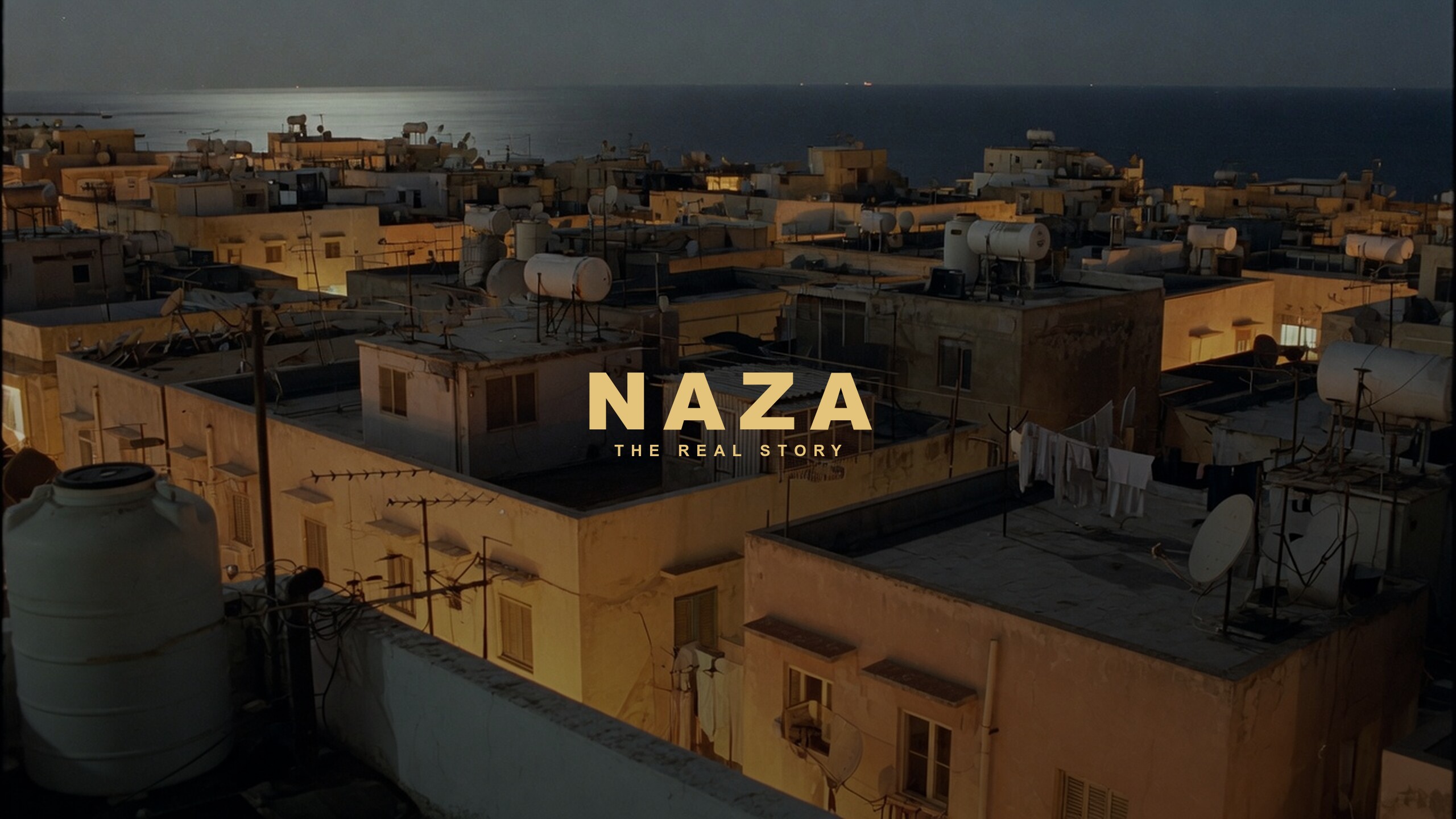
NAZA – The Real Story is a reply to NAZA. It contextualises military collateral damage in terms of Hamas’s strategy in Gaza of forcing civilian sacrifice. NAZA – The Real Story uses a similar directorial style to its namesake but provides attribution to its sources and was available free immediately on its release in October 2026. It is a clear, simple, visually documented and is a persuasive Israeli reply. It is 50 minutes well worth watching for its astonishing original Hamas and IDF video footage and its rational reckoning.
The film begins by introducing Hamas from the time of its takeover of Gaza in 2007. Chapter 1 sets out Hamas’s strategy from 7 October 2023, of putting civilians in line of fire and preventing them from obtaining refuge. Chapter 2 demonstrates Hamas tactics of using civilian cover for military offensives by: shedding uniforms for civilian clothes, using women and children as couriers and reconnaissance, using civilians to hold hostages, escaping by hiding among fleeing civilians, and concealing weapons extensively within civilian homes and buildings. Chapter 3 shows the complex of hundreds of kilometres of tunnels used for terrorist shelter command, storage, mobility and offensive positioning, while refusing Gazan civilians refuge. Chapter 4 shows how Hamas tortured and killed Gazan civilians who opposed its strategy and tactics.
Interviewees and file footage in Chapter 5 set out in detail the extensive use of civilian homes and infrastructure for Hamas firing positions, tunnel access and ammunition storage. Interviewees then explain how the IDF process for military target identification, verification and approval works. They point out that Hamas would not operate where it could be targeted and therefore operated predominantly where no IDF targeting approval could ever be given due to the IDF avoiding disproportionate collateral damage. Chapter 6 describes the 2 million tonnes of humanitarian aid provided by Israel to Gazan civilians and shows footage of it being hijacked, and of Hamas returning to carrying weapons openly in the streets of Gaza after a ceasefire was agreed in October 2025.
NAZA – The Real Story concludes with the observation that Hamas’s ideology of Jew-hatred ensures future conflict until Hamas is eliminated.
International humanitarian law concerning collateral civilian harm in military operations is set out principally in the Fourth Geneva Convention and the First Additional Protocol to the Geneva Conventions. These treaties oblige military forces to distinguish between civilians and a military objective and to take precautions to ensure that anticipated harm to civilians is not disproportionate to the advantage to be gained by striking a military target.
Further background information about how IDF targeting complies with international humanitarian law is available online, provided by the IDF, and also explained by Col (Retd) Sarit Zehavi. Nevertheless, one has to wonder why the Israeli government left it to independent filmmakers to visually document IDF legal compliance with international humanitarian law.
The film’s final words are a dedication ‘to all the fallen in Iron Swords. They gave their lives defending their country. They can no longer answer those who smear their name. We can.’