By Prof. Uri Rosenthal
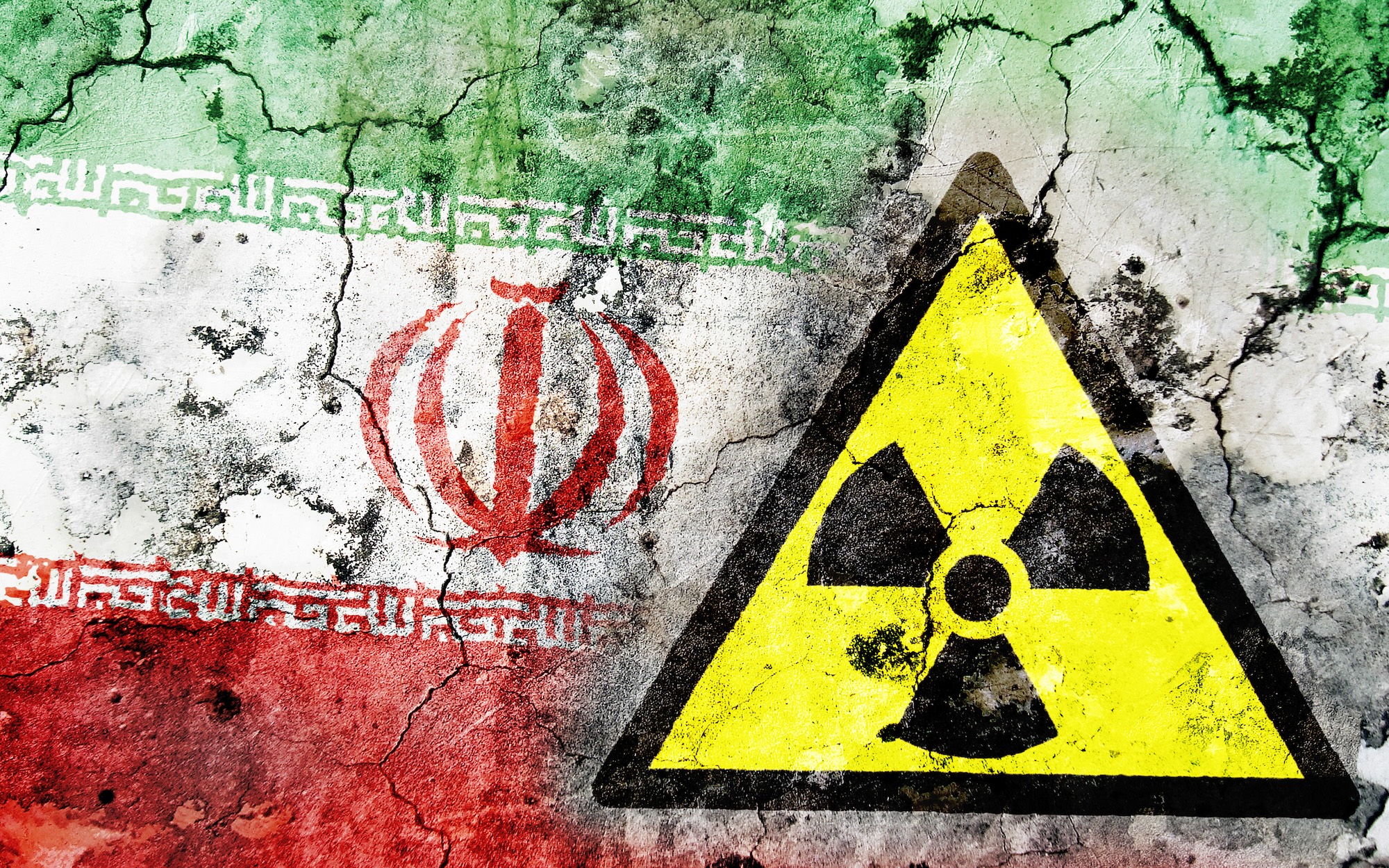
In recent months, the Islamic Revolutionary Guard Corps (IRGC) has become the decisive centre of power in the Islamic Republic, eclipsing the distinction between military institution, political actor and instrument of ideological rule.
Imbued with Shiite ideology, the IRGC pursues a Messianic and apocalyptic world view. The IRGC’s pervasive role across domestic repression, external operations and diplomatic reach. The IRGC’s Quds Force and the Basij as integral components of a broader coercive system that projects violence both within Iran and abroad.
The regime’s use of arbitrary detention and hostage-taking against foreign nationals and dual citizens formed part of a wider pattern of pressure against Europe, while the IRGC’s designation by the European Union in early 2026—set against continuing debate in the United Kingdom—illustrates a growing recognition that Iran’s conduct can no longer be treated as that of an ordinary state actor.
Criticism of American and Israeli action against the revolutionary regime in Iran is too narrowly focused on Article 2(4) of the United Nations Charter while neglecting the wider framework of continuing threats, proxy warfare and the Charter’s requirement in Article 2(3) that disputes be settled peacefully. The regime’s repeated declarations of hostility, support for armed proxies and record of coercive external conduct make invocations of non-intervention incomplete when detached from this longer pattern. The January 2026 mass killings of protesters—whose exact death toll remains contested—is evidence not only of exceptional brutality but also of mounting regime fragility.
The broad conclusion is that the Islamic Republic is weakened by repression, economic deterioration and regional isolation, and its eventual collapse would represent a major gain for both Iranian society and international security.
Prof. Uri Rosenthal is former Foreign Secretary of The Netherlands, and former leader of the VVD in the Dutch Senate. He was Professor of Political Science and Public Administration at Erasmus University Rotterdam and Leiden University. He is Chairman of the Iran Free Committee, and member of the Advisory Board of the Dutch Independence Foundation. Rosenthal is co-author of The Evil of Terrorism : Diagnosis and Countermeasure (2008).